What are urban-rural linkages about?
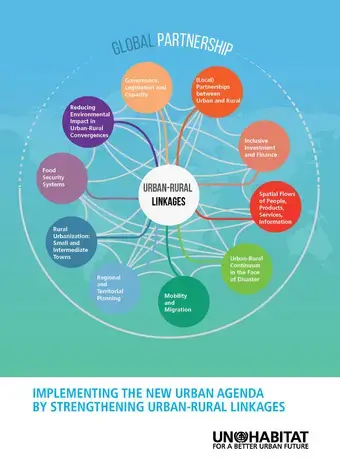
Urban-Rural Linkages touch on a broad variety of thematic areas ranging from urban and territorial planning, strengthening small and intermediate towns, from enabling spatial flows of people, products, services and information to fostering food security systems as well as touching mobility and migration, reducing the environmental impact in urban-rural convergences, developing legislation and governance structures and promoting inclusive financial investments among others. Fostering Partnerships – between urban and rural actors and areas at the local level are crucial for a transformative agenda. But also global partnerships for an integrated territorial development are crucial for transforming towards sustainable and resilient societies. Through shared principles these levels of transformation can be better aligned.
Why is it important to link urban and rural areas?
While the world, and especially Africa, is rapidly urbanizing, the development gap between rural and urban areas tends to increase. Urbanization has been widely acknowledged for its transformative power, but even though urban and rural areas depend on each other, rural areas often lag behind and worldwide, 85 per cent of the poor still live in rural areas. In both the 2030 Agenda for Sustainable Development (SDGs)1 and the New Urban Agenda (NUA)2, United Nations Member States agreed to policies that support integrated urban and territorial planning and development. They called for new, inclusive approaches and enhanced synergies between urban and rural communities and spaces – an essential component of the vision of Agenda 2030 to “leave no one behind”.
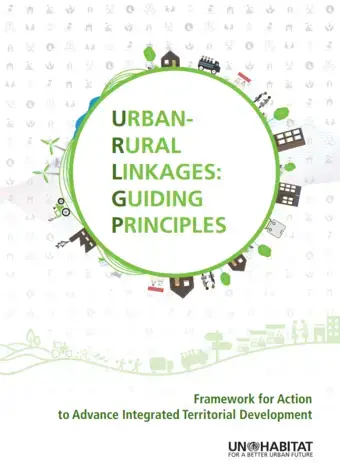
Urban-Rural Linkages: Guiding Principles and Framework for Action
UN-Habitat initiated and convened the process to develop “Urban-Rural Linkages: Guiding Principles and framework for Action” with over 130 actors ranging from experts working in the field of urban, rural, and territorial development, representatives of national and sub-national governments, development partners, think tanks, academia, and intergovernmental organizations. The Urban-Rural Linkages: Guiding Principles and framework of actions are based on the premise that urban and rural areas should not be treated as separate entities when development plans, policies and strategies are made. Rather, the aim is to harness the potential that their combined synergy generates, so that everyone benefits from the circular flow along the urban-rural continuum.
The goal of these Guiding Principles is to inform pragmatic strategies and propose a Framework for Action to build an enabling environment for more inclusive and functional urban-rural linkages. The principles are flexible and can be applied by all levels of stakeholders at all scales. While the principles are designed for universal application, there are distinct roles and actions appropriate for national or local governments, civil society, the private sector and international organizations.
Please find below the Urban-Rural Linkages: Guiding Principles to Advance Integrated Territorial Development publication in English, French, Spanish, Arabic, Chinese and Portuguese that was launched in May 2019 during the UN-Habitat Assembly.
UN-Habitat’s work on Urban-Rural Linkages
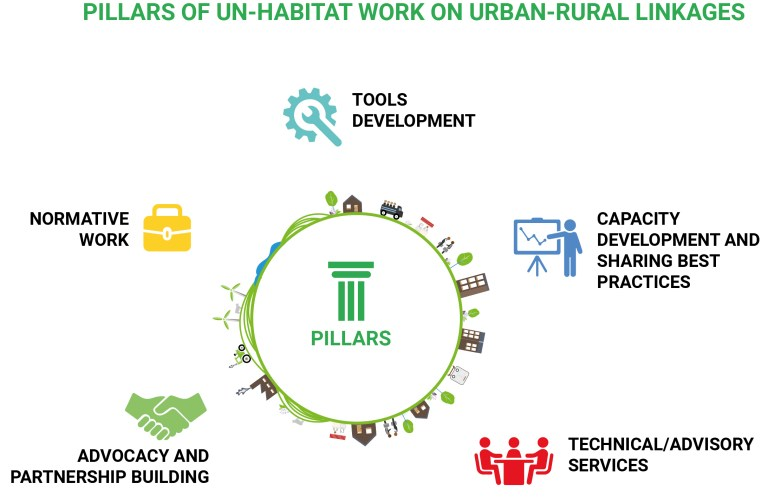
Advocacy
- First International Forum on Urban-Rural Linkages (IFURL 2019) – IFURL is one of the key activities of UN-Habitat’s Urban-Rural Linkages programme which includes, capturing, analysing and promoting the inspiring practices implemented in different territories around the world. The purposes of the Forum are to thoroughly analyse and capture the unconventional and inspiring practices implemented across the urban-rural continuum, and to better understand how such innovative interventions have contributed to revitalizing rural areas through empowering local people. Third International Forum on Urban Rural Linkages|Second International Forum on Urban-Rural Linkages (IFURL 2021) |First International Forum on Urban-Rural Linkages (IFURL 2019)
- URL Webinar series – In light of COVID-19 pandemic, the UN-Habitat Urban-Rural Linkages project aims to exchange information and learn from the efforts of different actors to overcome this crisis and enhance post-crisis recovery actions by bringing a focus to urban-rural linkages and integrated territorial approaches. For this purpose, UN-Habitat is hosting the webinar series, Urban-Rural Linkages in the time of COVID-19.
Projects
.jpg)
Newsletter
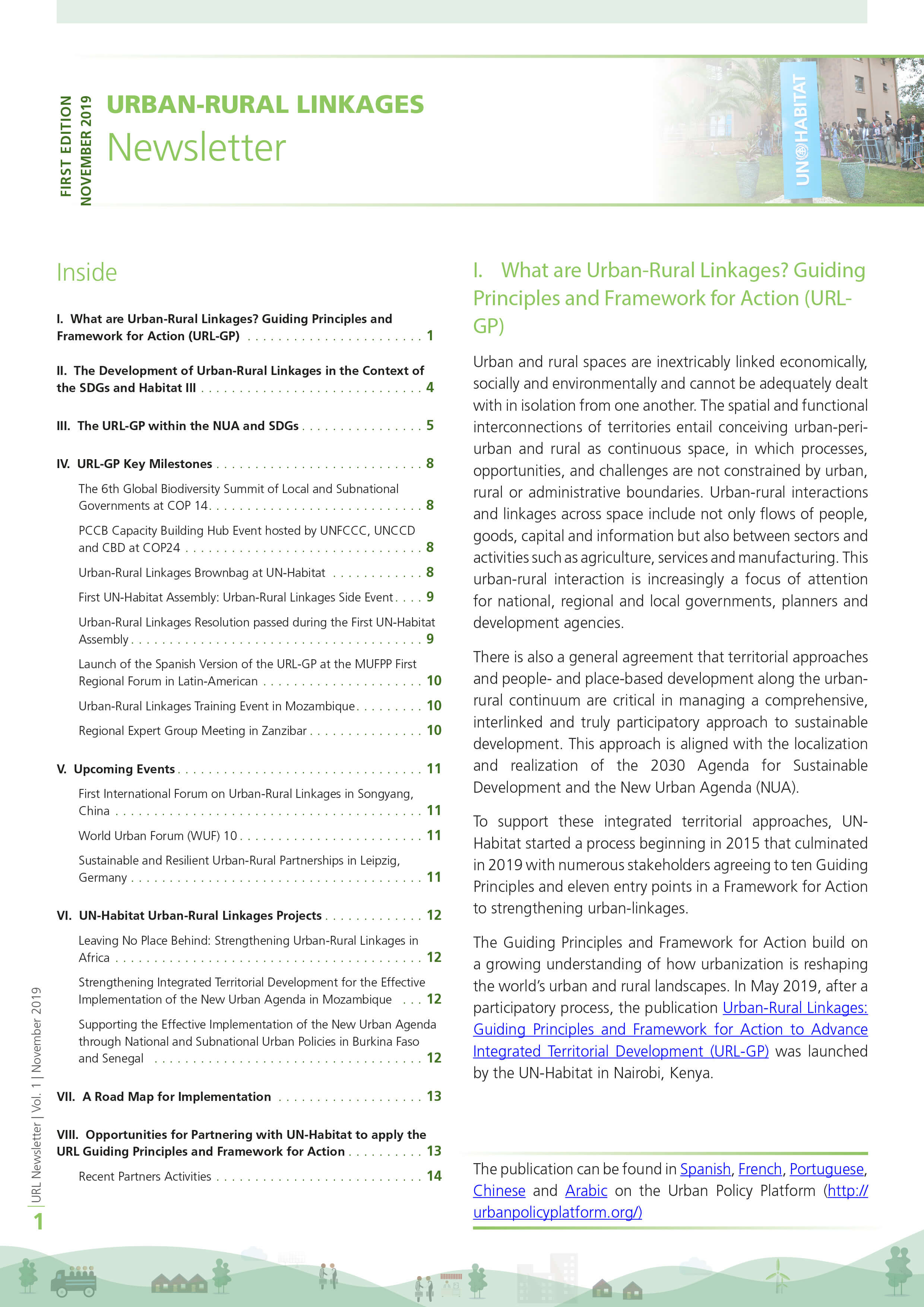
Launch of the URL Guiding Principles Edition 1 November 2019
Introduced the Urban-Rural Linkages Guiding Principles and Framework for Action, outlined their development process, and highlighted early milestones including expert meetings, COP events, and the UN Habitat Assembly resolution that formalized global commitment to strengthening urban-rural linkages.
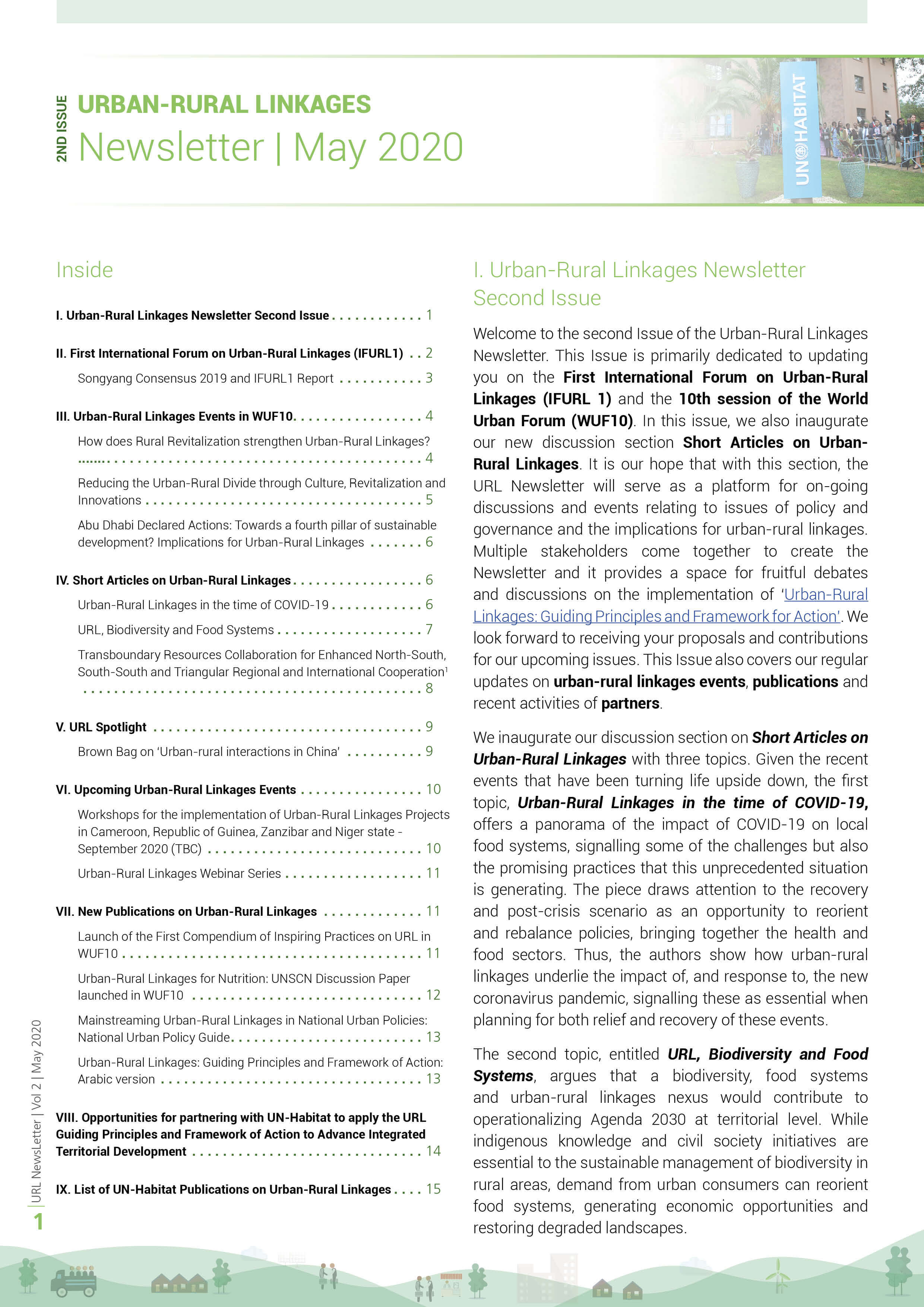
IFURL1 and WUF10 as global catalysts Edition 2 May 2020
Focused on the outcomes of the First International Forum on Urban-Rural Linkages (IFURL1) and urban-rural linkages activities at the tenth World Urban Forum (WUF10). Also introduced short articles and announced key publications such as the first URL Compendium of Inspiring Practices on Urban-Rural Linkages
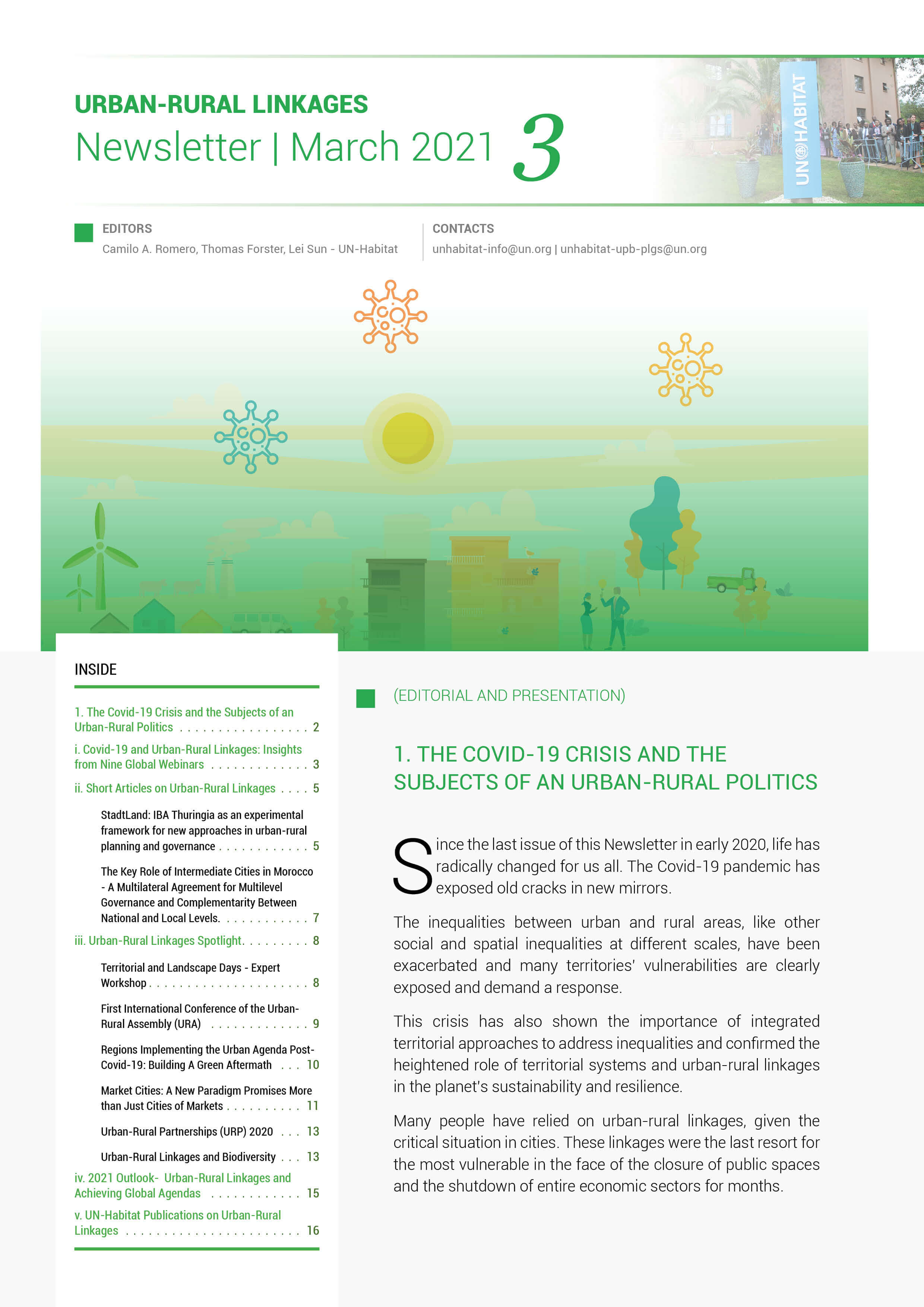
COVID-19 and territorial resilience Edition 3 March 2021
Centered on lessons from nine global COVID-19 webinars, showing how territorial systems and urbanrural flows shaped resilience. Featured short articles on intermediary cities and International Building Exhibition in Thuringia (IBA), and highlighted partner events such as the Urban-Rural Assembly (URA), Territorial and Landscape Days, and Urban-Rural partnerships 2020 (URP).
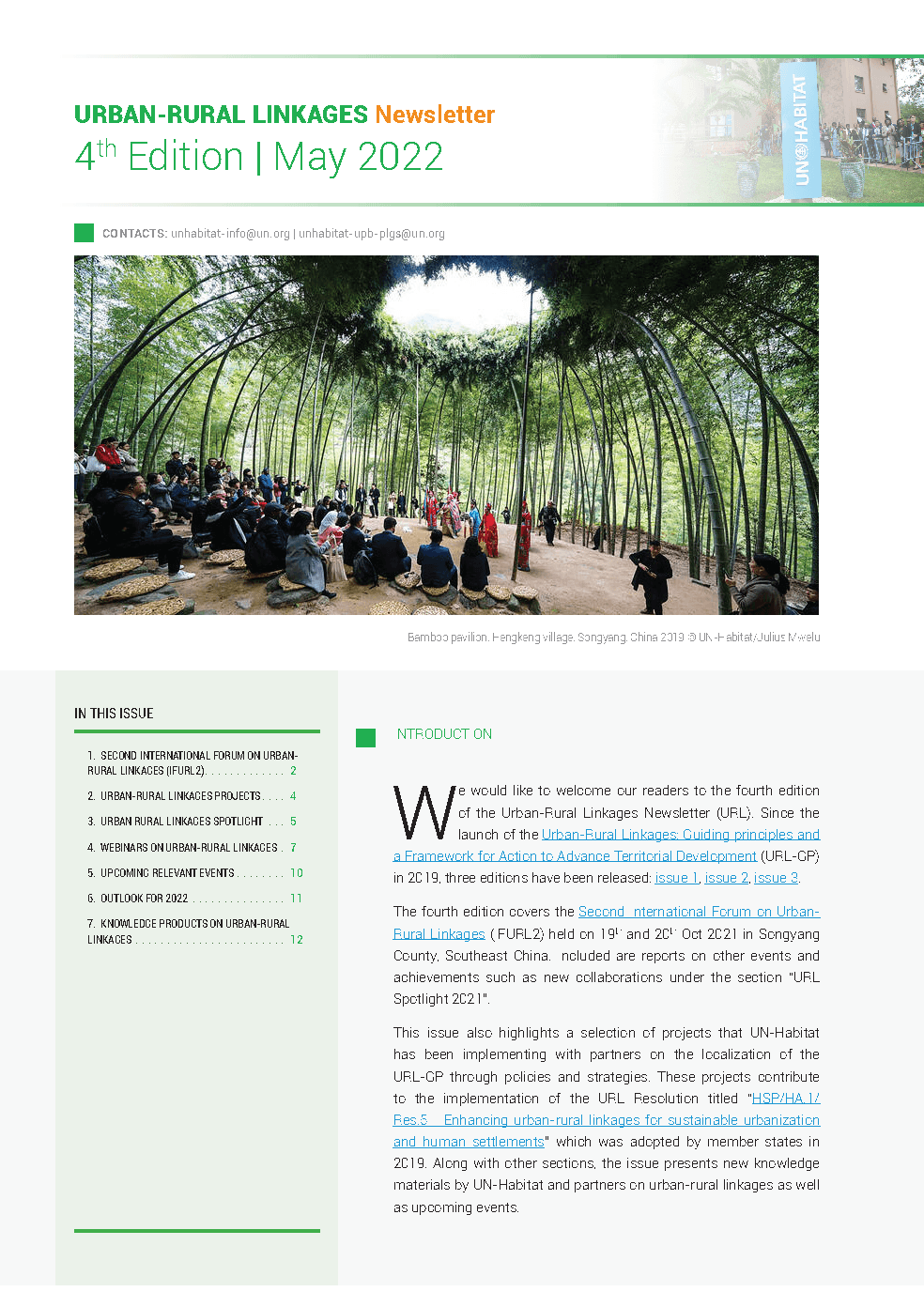
IFURL2 and scaling up URL implementation Edition 4 May 2022
Spotlighted the Second International Forum on Urban-Rural Linkages (IFURL2) held in Songyang, emphasizing themes of health, territorial development, and intermediary cities. It also presented progress on URL implementation projects, new global collaborations, and key webinars on climate, food systems, and intermediary cities.
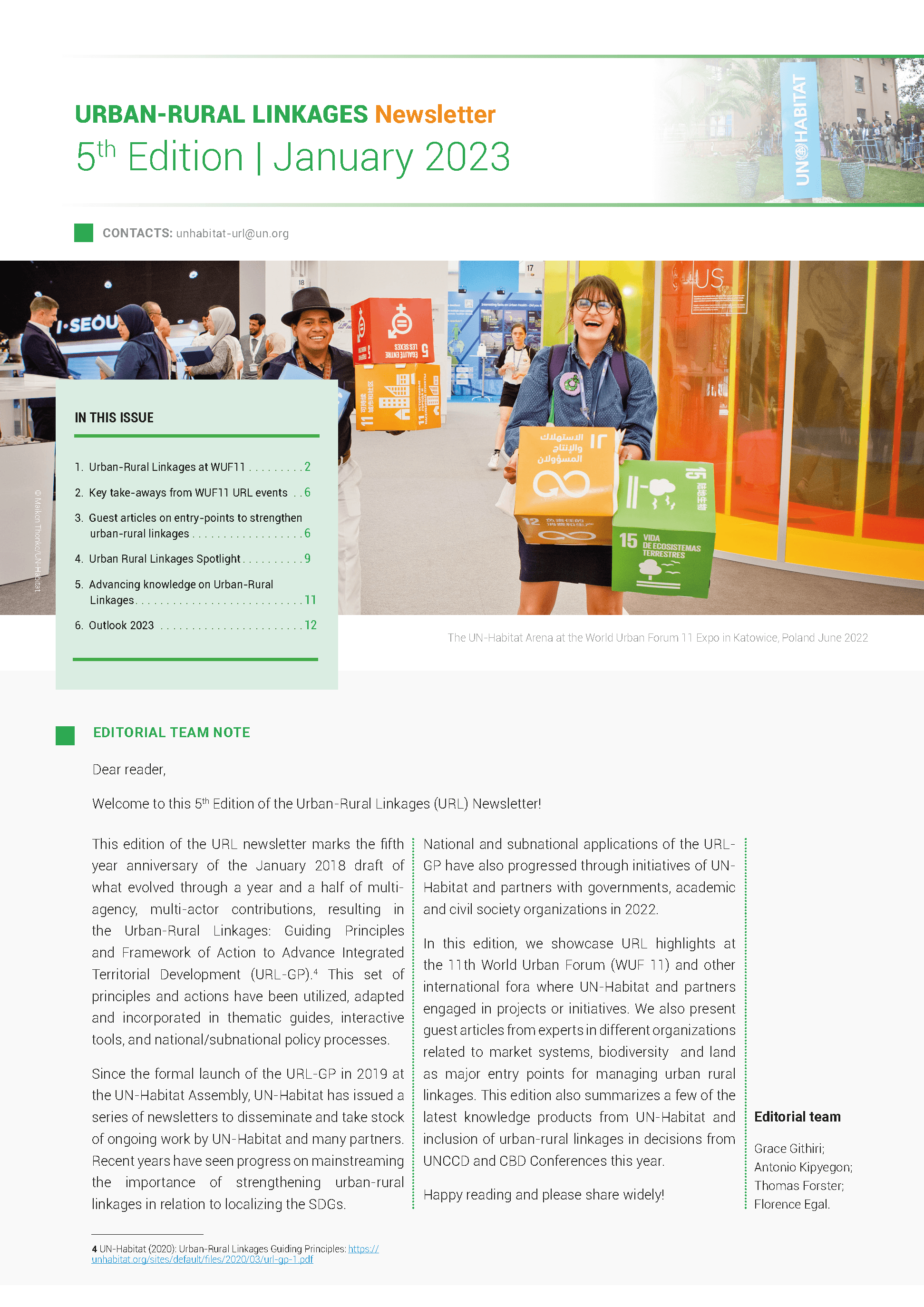
Urban-Rural Linkages at WUF11 and global policy momentum Edition 5 January 2023
Highlighted the prominence of urban-rural linkages at WUF11, including multiple URL-focused events and discussions on biodiversity, food systems, and territorial governance. It also featured guest articles on market systems and land, and advances in global policy spaces such as UNCCD COP15 and CBD COP15.
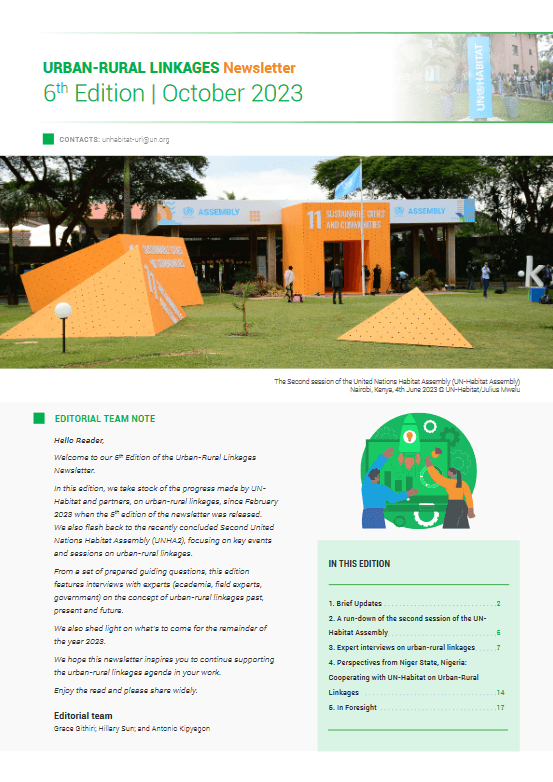
Progress after UNHA2 and expanding the global URL agenda Edition 6 October 2023
Reviewed follow-up actions from early 2023, including major URL related outcomes from the Second UN Habitat Assembly, the launch of the Center for Urban-Rural Linkages in Africa (CURLA), and expert interviews offering perspectives on various URL thematic areas.
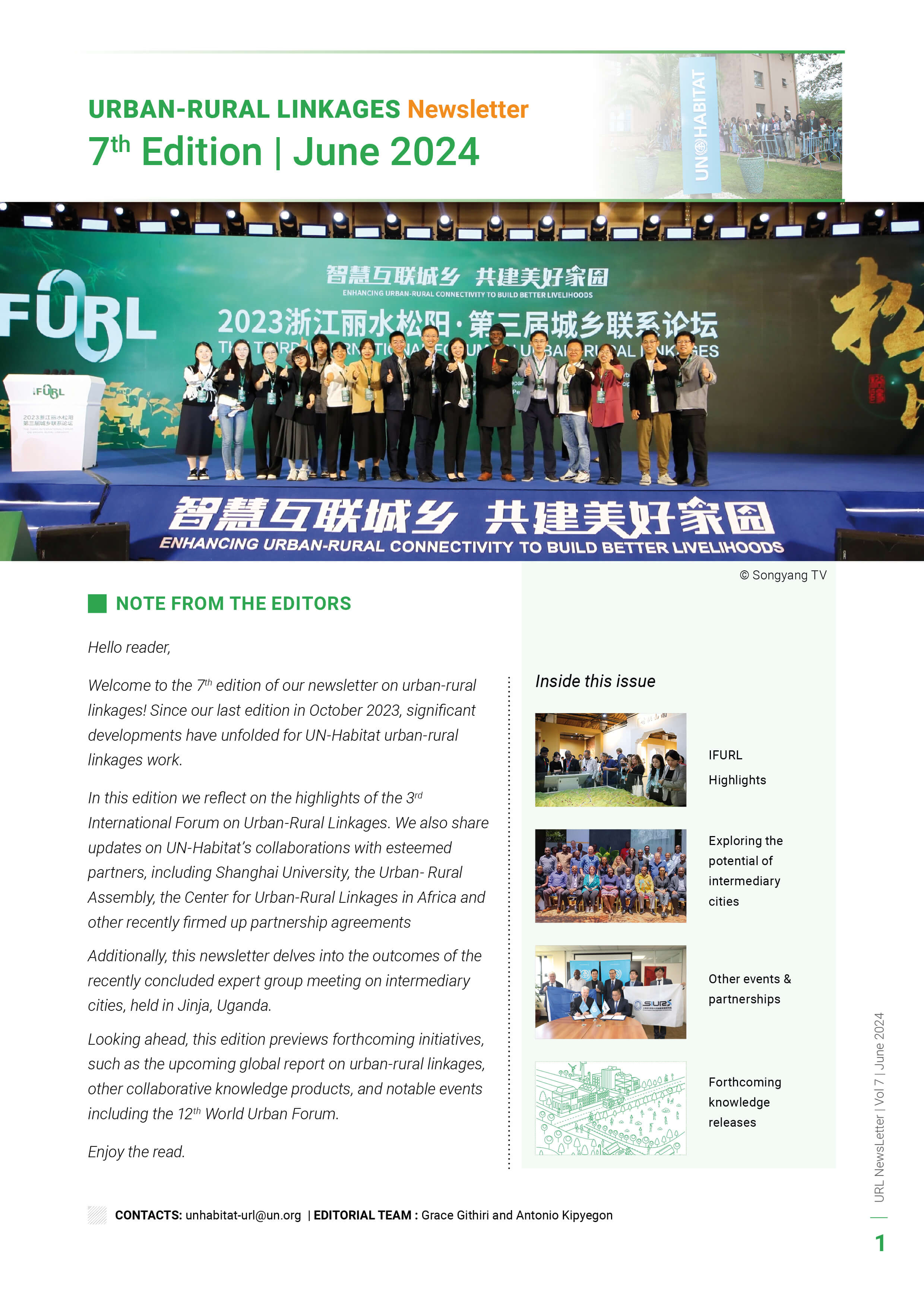
IFURL3, expanding partnerships, and Intermediary Cities Edition 7 June 2024
Showcased key outcomes of IFURL3, including practical demonstrations from Songyang and thematic sessions on youth, resources, transport, and rural development. Also emphasized the growing importance of intermediary cities through an expert group meeting focused on territorial resilience.
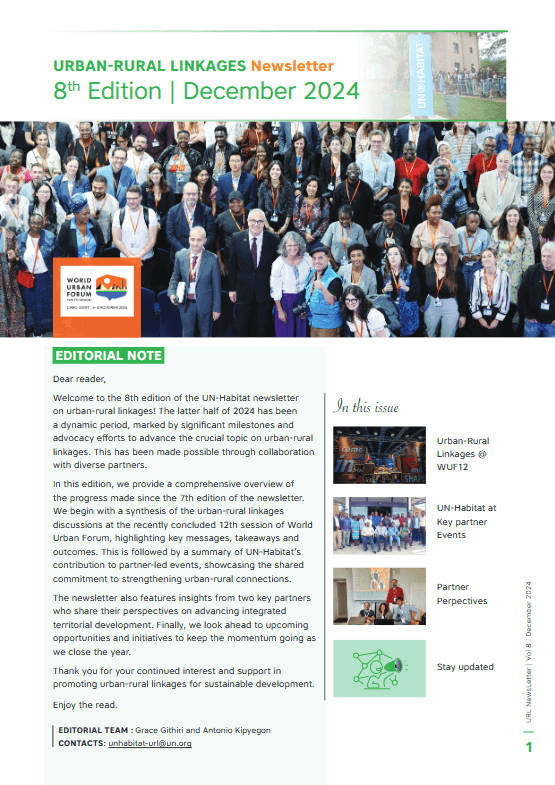
WUF12 + Strengthened Partnerships Edition 8 December 2024
Highlighted the strong presence of urban-rural linkages at the 12th World Urban Forum (WUF12), with multiple URL-focused events across governance, food systems, land, and regeneration. Also featured partner perspectives on advancing integrated territorial development, and UN-Habitat’s contributions to other partner-led events.
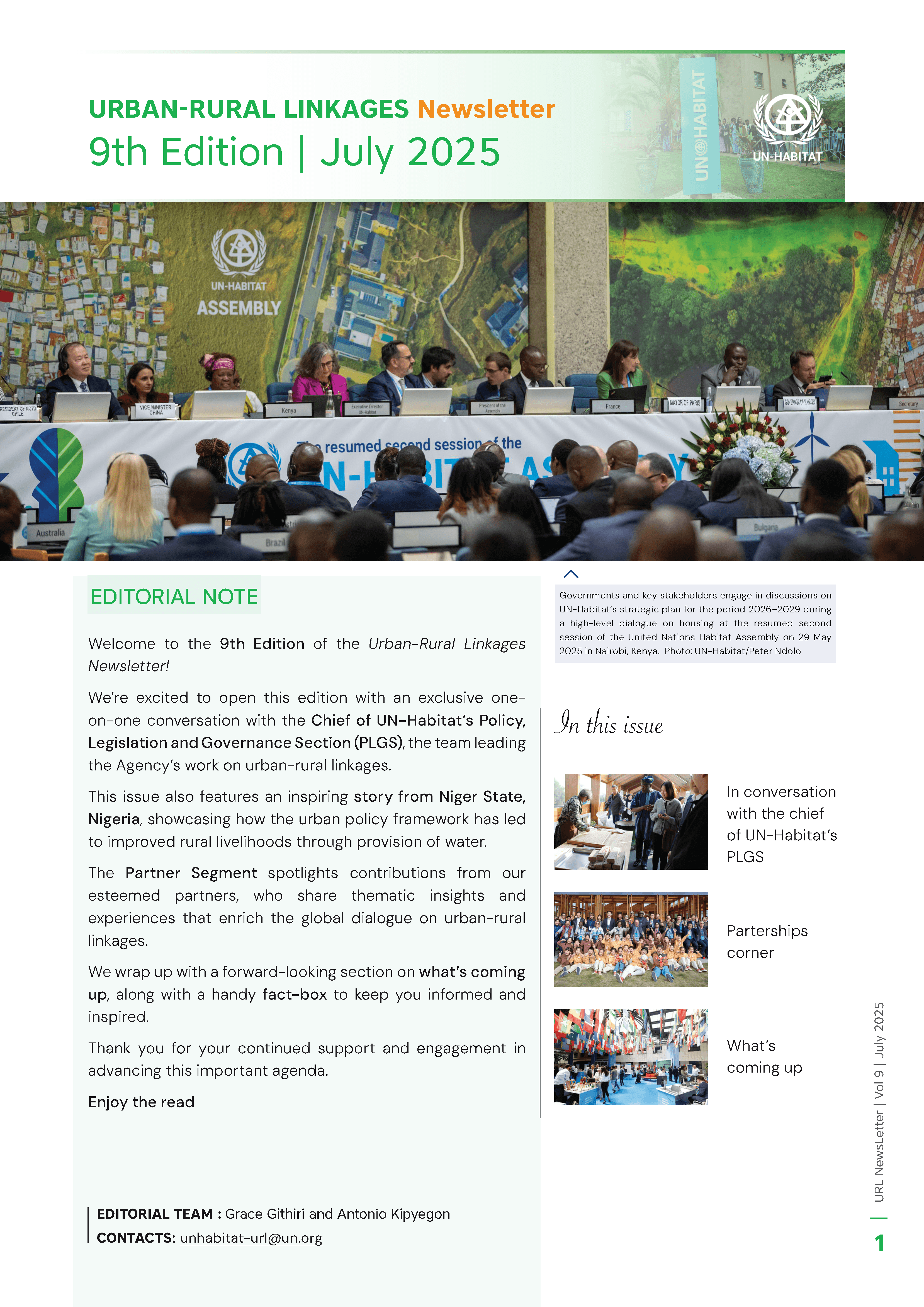
URL Strategic Positioning + expanding knowledge and advocacy Edition 9 July 2025
Highlighted UN-Habitat’s strategic positioning of urban-rural linkages (URL) within the 2026–2029 Strategic Plan, outlining progress in policy integration, capacity development, and global knowledge production. Also showcased local impact through a Niger State (Nigeria) story on improved rural water access and presented new knowledge contributions.
Impact
News and Stories

Story
UN-Habitat works with UN agencies to adopt new definitions for degree of urbanization
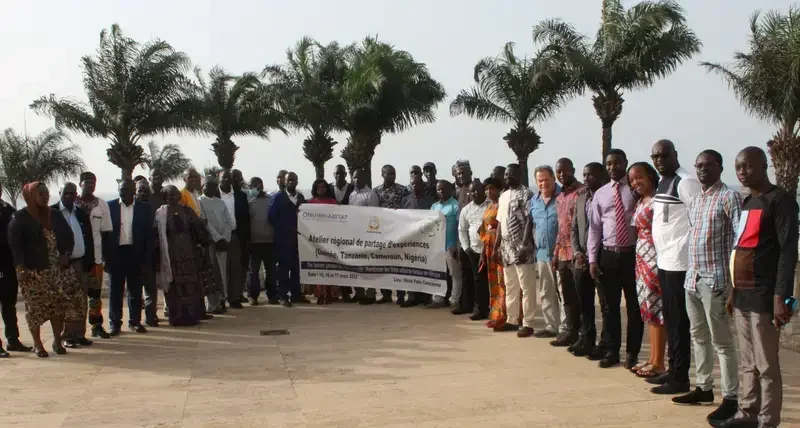
Story
Integrating urban-rural linkages in planning and policy a catalyst for sustainable urbanization in Africa
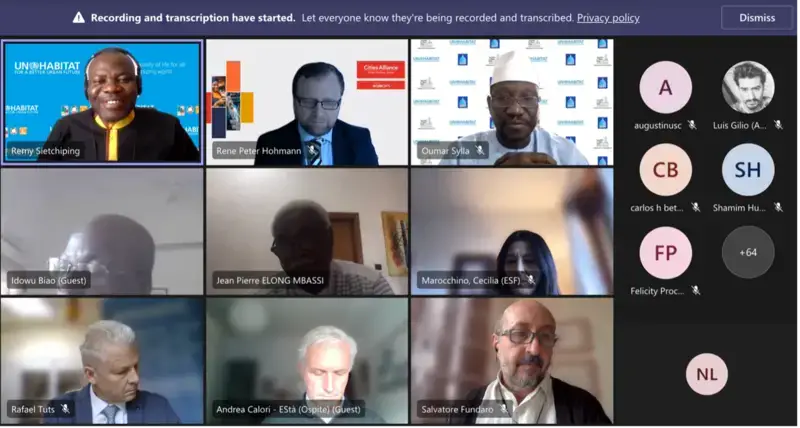
Story
Africities summit places urban-rural linkages at the heart of the debate
Story
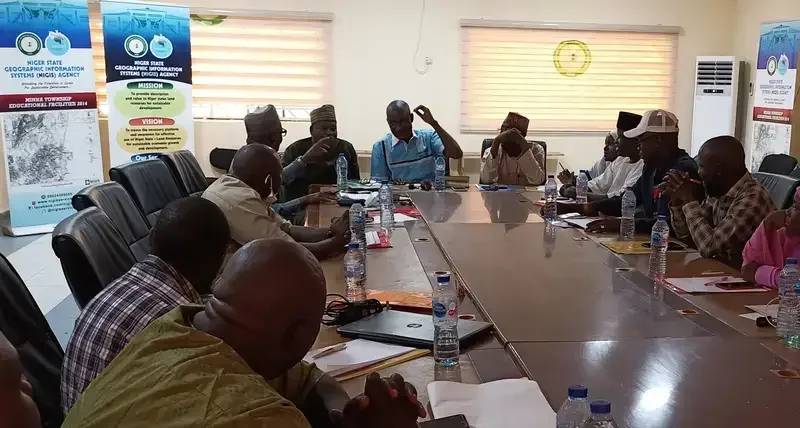
Policy experts formulate strategies for strengthening urban-rural linkages in Nigeria’s Niger State
Story
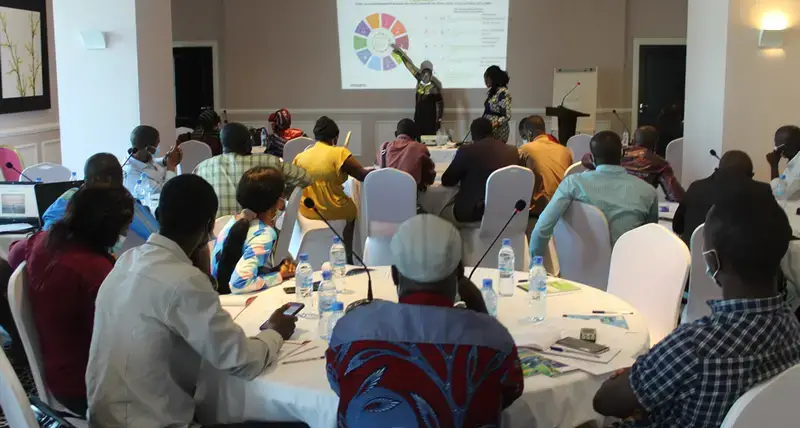
Validation workshops on Strengthening Urban-Rural Linkages held in Zanzibar
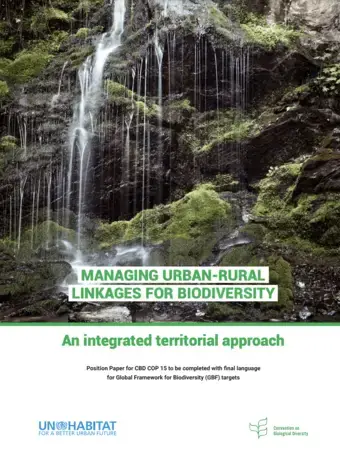
Highlighted Publications

Featured Videos

Donors and partners
UN-Habitat is currently working with partners including UN Agencies, international organizations, academia, governments, and civil society, among others. Partners’ work feeds directly into the URL program work in a variety of ways, from developing normative products, training and capacity development, technical services and projects to advocacy through organizing joint events etc. The iterative, interactive process of working with partners became more intensified in 2020 during the COVID-19 pandemic. With the entire world reeling from the economic, social and environmental impacts of the crisis, a live “action learning” process evolved, especially in the context of co-organizing online webinars to exchange and learn from the responses across the world by cities, regions, grassroots groups and international organizations.